Most businesses focus only on SEO and wonder why they are not getting enough leads. The truth is simple, being visible on Google is not the same as being relevant to your audience. That’s where GEO comes in. Today, online success is not just about ranking higher; it’s about reaching the right people at the right place.
If your business shows up in search results but not in your target location, you are missing real customers. Smart businesses understand this shift. They don’t choose between SEO and GEO, they use both together. In this blog, you will clearly understand the difference between GEO and SEO, how they work, and why combining them can help you grow faster and smarter.
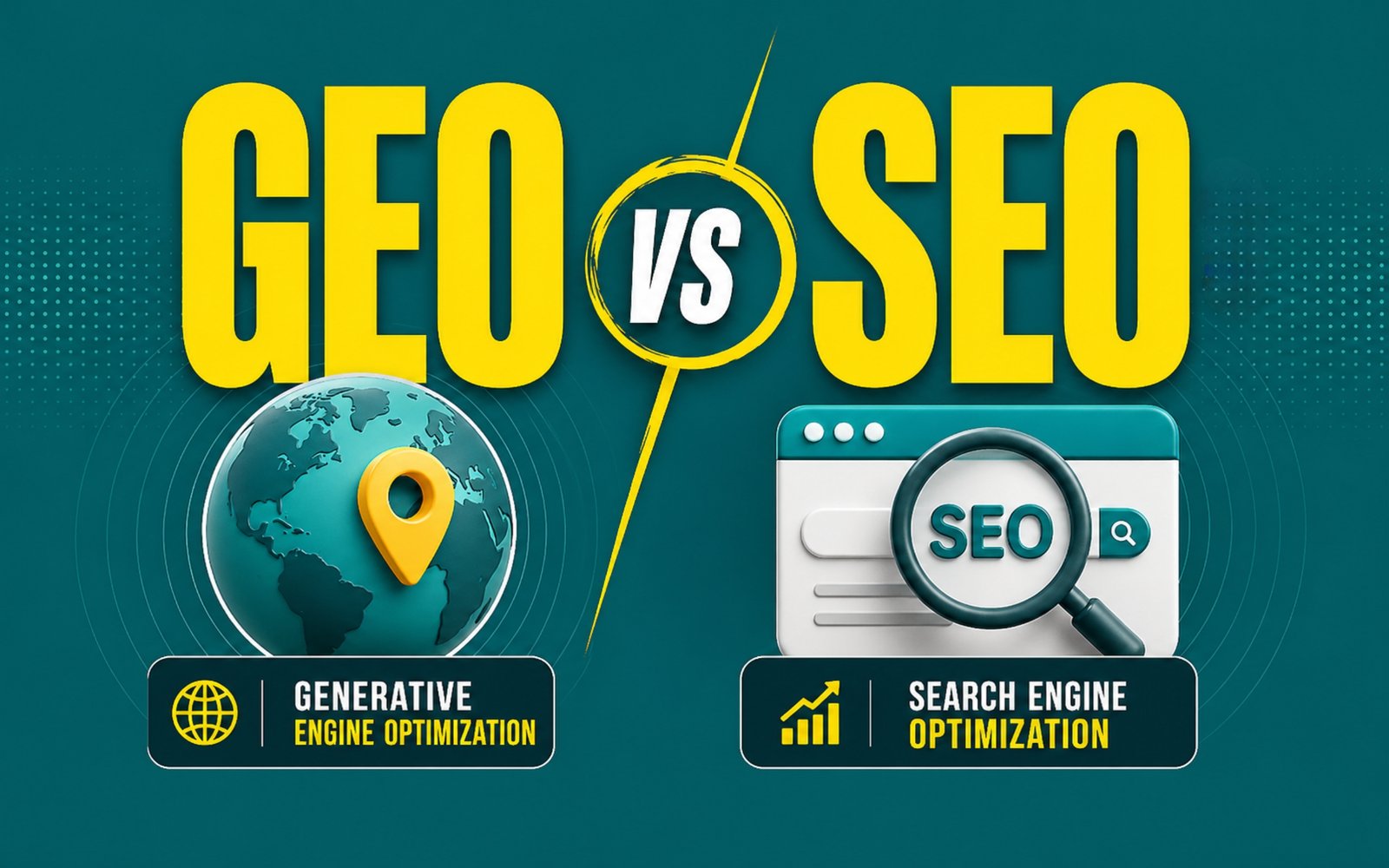
GEO vs SEO
What is SEO (Search Engine Optimization)?
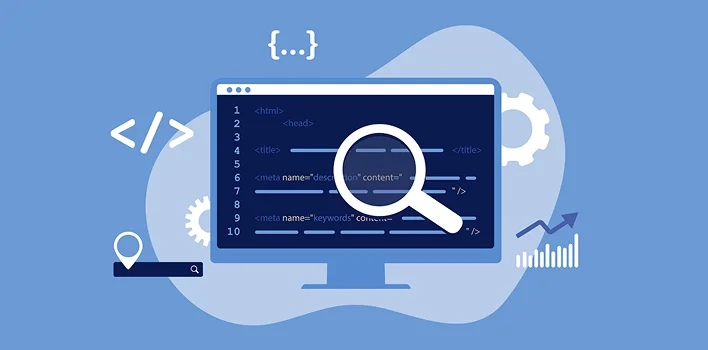
SEO stands for Search Engine Optimization. It is the process of improving your website so that it ranks higher on search engines like Google. In simple words, SEO helps your website appear when people search for something online.
Example: If someone searches “best website design service”, SEO helps your website appear in those results.
Key parts of SEO:
- Keyword optimization
- Content creation
- Backlinks
- Website speed
- Mobile-friendliness
Goal of SEO:
To bring more traffic to your website from search engines. But here’s the problem, SEO alone focuses more on visibility, not always on location or intent.
What is GEO (Geographic Optimization)?
GEO (Geographic Optimization) focuses on showing your business to people in a specific location. It helps your business appear when people search near them or in a specific area.
Example: If someone searches for “website designer near me” or “web design agency in california”, GEO helps your business show up.
Key parts of GEO:
- Google Business Profile optimization
- Location-based keywords
- Local citations
- Reviews and ratings
- Maps visibility
Goal of GEO:
To attract customers from a specific area who are ready to take action.
GEO vs SEO: The Core Difference
|
Feature |
SEO | GEO |
|
Focus |
Global or broad audience |
Local or specific area |
|
Goal |
Website traffic |
Local leads & customers |
|
Keywords |
General keywords |
Location-based keywords |
|
Example |
“Web design services” |
“Web design services in Dhaka” |
| Tools |
Website, blog, backlinks |
Google Maps, local listings |
Simple way to understand:
- SEO = People finding you online
- GEO = Right people near you finding you
Why SEO Alone is Not Enough Today
Many businesses invest in SEO but still struggle to get real customers.
Why? Because traffic does not always mean sales.
Here’s what happens:
- You get visitors from different countries
- They are not your target audience
- They don’t convert into customers
So even with good traffic, your revenue stays low.
Example: If you are a local service provider, global traffic is not very useful. You need local customers, not just clicks. That’s the gap GEO fills.
Why GEO Alone is Also Not Enough
Now you might think—“Okay, I’ll just focus on GEO.” But that’s also not the full solution.
Limitations of GEO:
- Limited reach
- Depends heavily on location
- Slower long-term growth
GEO helps you get quick local leads, but it does not build strong long-term authority online. That’s where SEO plays a big role.

Why Smart Businesses Use Both SEO + GEO
The real growth happens when you combine both strategies.
Think of it like this:
- SEO builds your online presence
- GEO brings ready-to-buy customers
Together, they give you:
- More visibility
- Better targeting
- Higher conversions
- Strong brand authority
How SEO and GEO Work Together
Let’s break it down in a simple way:
1. SEO brings traffic
Your blog, website, and content attract visitors from search engines.
2. GEO filters the right audience
Local optimization ensures that nearby customers find you easily.
3. Trust increases
When people see your business on Google + Maps + content, they trust you more.
4. Conversions improve
Right audience + strong trust = more customers
Real Example (Easy to Understand)
Imagine you run a web design agency.
With SEO only:
You rank for “website design services”
➡ You get global traffic
➡ Few conversions
With GEO only:
You rank for “website designer in your city”
➡ You get local leads
➡ Limited growth
With SEO + GEO:
You rank globally and locally
➡ More traffic + better leads
➡ Higher sales

Key Strategies to Combine SEO + GEO
Here are some simple but powerful steps:
1. Use Location-Based Keywords
Mix general + local keywords
- “Web design services”
- “Web design services in California”
2. Optimize Google Business Profile
- Add correct info
- Upload images
- Collect reviews
This is a major part of GEO.
3. Create Helpful Content
Write blogs that answer real questions.
Example:
- “How to choose a web designer in your city”
- “Best website tips for small businesses”
4. Build Local Trust
- Get reviews
- Show testimonials
- Add case studies
People trust businesses they can verify.
5. Make Your Website Professional
Your website should:
- Load fast
- Look clean
- Be mobile-friendly
First impressions matter a lot.
Common Mistakes Businesses Make
- Avoid these mistakes:
- Only focusing on SEO
- Ignoring local audience
- Not updating Google Business Profile
- No customer reviews
- Poor website design
These mistakes reduce trust and conversions.
The Future: SEO + GEO + Smart Strategy
The digital world is changing fast. Search engines are becoming smarter. Users want:
- Fast results
- Local solutions
- Trusted brands
That means businesses must also evolve.
Winning strategy:
- Be visible everywhere (SEO)
- Be relevant locally (GEO)
- Build trust consistently
Final Thoughts
If you want real business growth, you need more than just traffic, you need the right traffic. SEO helps people find you. GEO helps the right people choose you. Smart businesses don’t choose one over the other. They combine both to create a powerful system that brings visibility, trust, and conversions together.
If you want to build a strong online presence that not only attracts visitors but also converts them into customers, feel free to contact us.